
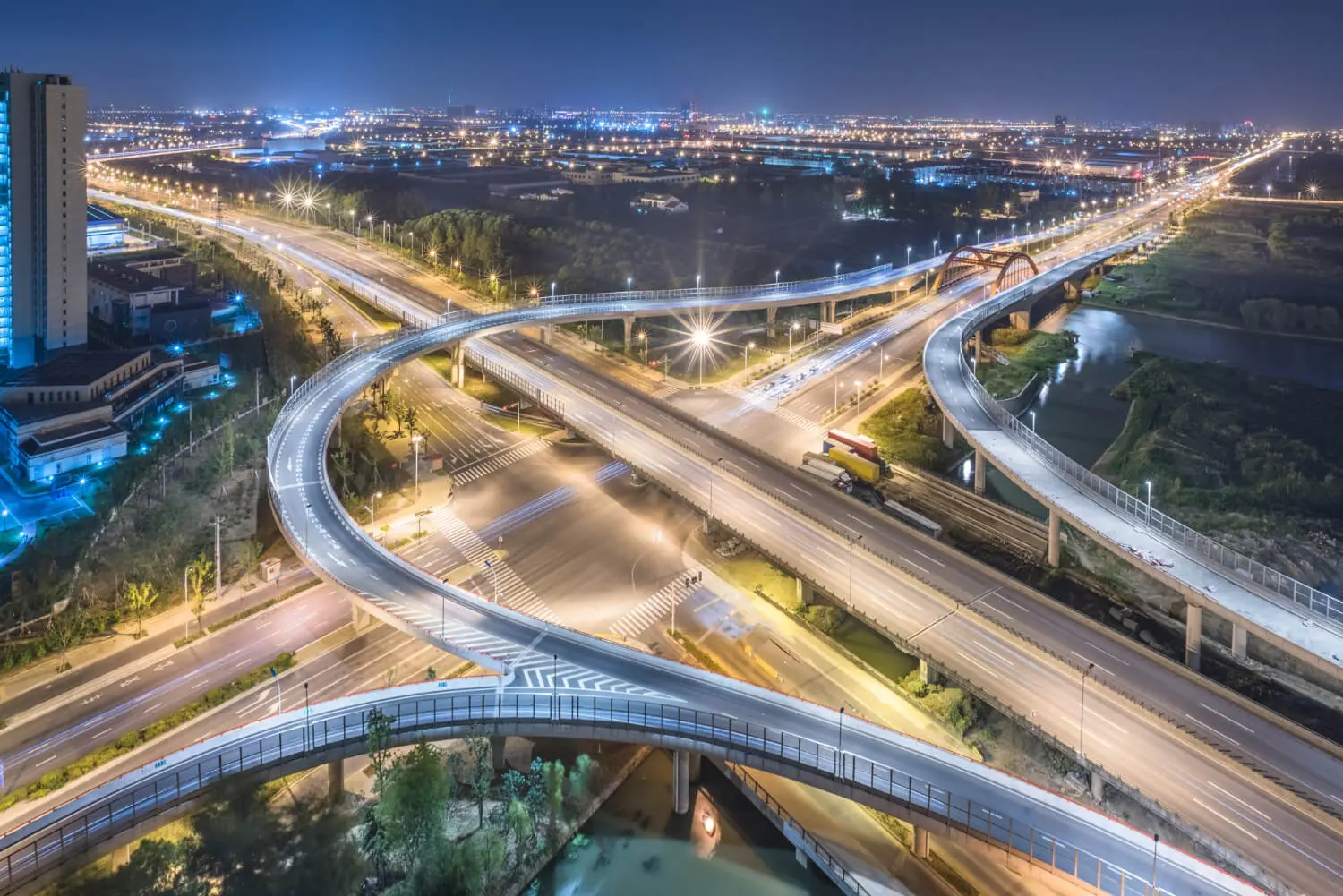
The real estate landscape of Gurugram is undergoing a massive paradigm shift. This change is driven primarily by the rapid growth of high-speed transit networks. The 29-kilometer elevated highway is now fully functional. Consequently, attention has shifted decisively to the upcoming mass rapid transit expansion. This massive infrastructure push is universally known as the Dwarka Expressway Metro Corridor.
This new transit line is set to fundamentally re-rate local property valuations. Therefore, discerning homebuyers are now seeking premium capital appreciation in this zone. Investing in iconic 3 BHK and 4 BHK luxury apartments along this transit line represents a great wealth-building opportunity. For more context on luxury residential trends, you can check our comprehensive Gurugram Luxury Real Estate Guide.
The Macro Economics of Transit-Oriented Development
Real estate values historically move in a predictable arc. These values spike significantly during major connectivity upgrades. Transit-Oriented Development (TOD) frameworks prove this concept clearly. Mass rapid transit lines widen the homebuyer pool exponentially. They achieve this by eliminating daily commuting friction for professionals.
Consequently, residential clusters flanking the proposed route are transforming fast. They are changing from speculative zones into highly liquid, end-user-driven asset classes. Furthermore, the network integrates seamlessly with the Delhi Metro Blue Line at Dwarka Sector 21. It also connects with the upcoming multi-modal transit hub at Pachgaon. As a result, residents will soon experience seamless, signal-free regional movement.
High-Growth Sector Clusters Demystified
The overall economic impact of the Dwarka Expressway Metro Corridor is not uniform. Instead, specific sector clusters are positioned to capture the highest share of capital appreciation. This growth occurs due to their close proximity to planned metro stations.
The Zero-Point Luxury Cluster (Sectors 109, 111, and 113)
Sectors 109, 111, and 113 are positioned directly on the Delhi-Gurugram border. Therefore, these sectors are the immediate beneficiaries of multi-directional mass transit. Their geographical advantage stems from their absolute proximity to Delhi’s upcoming Diplomatic Enclave. They also sit next to the massive Yashobhoomi IICC complex.
Moreover, institutional-grade developers have targeted this cluster for ultra-luxury gated communities. This factor makes it an incredibly high-yielding rental micro-market. Consequently, it is heavily favored by corporate expats and frequent flyers.
The Metro Spur & Mid-Expressway Cluster (Sectors 102, 103, and 104)
Sectors 102, 103, and 104 represent the strategic core of the expressway’s residential boom. Property values here have grown steadily over the last few quarters. This growth is supported by structural milestones like the 3.6 km shallow tunnel. This tunnel connects directly to IGI Airport’s Terminal 3.
Additionally, upcoming metro stations in these micro-markets will connect commuters straight to the Millennium City Centre. This route links directly to the existing Yellow Line. Therefore, it effectively closes the price gap between New Gurugram and legacy corporate hubs.
The Global City Node (Sectors 36A, 37D, and 88)
Sector 88 and its surrounding pockets sit precisely at a strategic intersection. They face the upcoming Dwarka Expressway Metro Corridor and the massive 1,000-acre Global City project. This upcoming central business district is planned to generate massive white-collar employment. Thus, it will drive an intense wave of localized residential demand.
Capital Values & Structural Growth Matrix
The structural divide across these sectors is easy to understand. The table below outlines current average pricing bands and anticipated growth trajectories driven by the transit lines.
| Micro-Market Segment | Primary Sectors | Avg Price Range (₹/sq ft) | Projected Growth |
| Premium Border Zone | 111, 113 | ₹12,000 – ₹18,000 | 22% – 28% YoY |
| Mid-Expressway Core | 102, 104, 106 | ₹9,500 – ₹12,000 | 16% – 20% YoY |
| Global City Influence | 36A, 37D, 88 | ₹8,500 – ₹11,000 | 18% – 24% YoY |
Technical Specifications of the Transit Expansion
Structural Route Alignments
-
The total track length spans 35.2 kilometers as a fully elevated structure.
-
The system features 3 major regional junctions at Kherki Daula, Sector 56, and Pachgaon.
-
The alignment includes 28 world-class elevated stations for passenger convenience.
Socio-Economic Micro-Impact
Senior Consultant’s Insight: Capital values along major metro alignments typically experience an immediate 15% surge. This happens upon the commencement of civil structural works. After that, a secondary, highly stable rental appreciation cycle begins. This occurs once the line becomes fully operational for public commuting.
The Ultimate Strategic Investment Verdict
The transformation of the Dwarka Expressway is entering its final maturity phase. It is turning from an under-construction bypass into a thriving lifestyle corridor. The inclusion of the Dwarka Expressway Metro Corridor adds the missing link of mass public transit. This addition guarantees long-term real estate liquidity and high rental yields.
Therefore, property buyers must act deliberately. The mid-to-border sectors represent the sweet spot in the market right now. They offer infrastructure-ready execution combined with an unmatched future appreciation curve.